Spacers, Strips & Oil Duct Components
Transformer Insulation Spacer Blocks
Also known as: Winding Spacers, Spacer Blocks
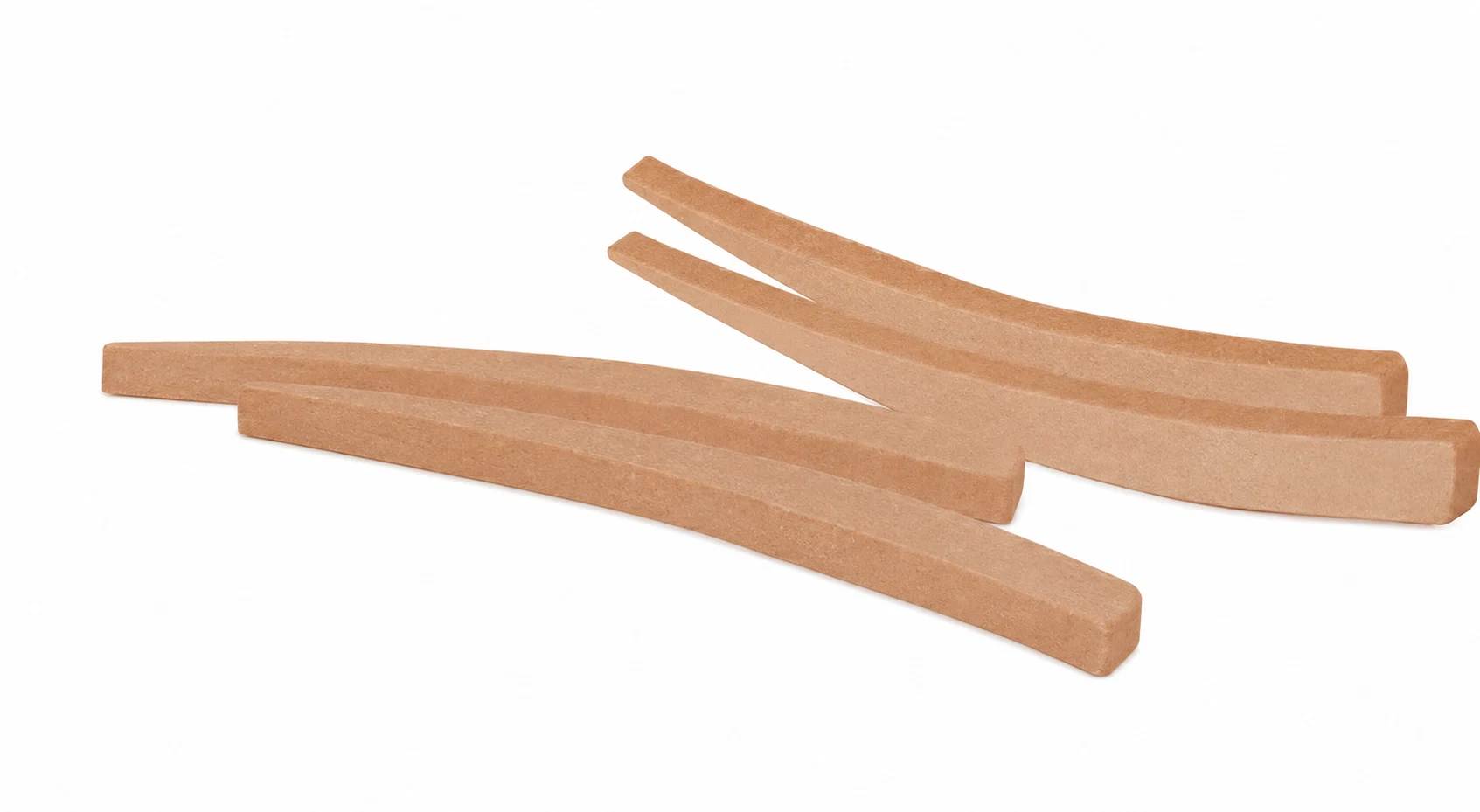
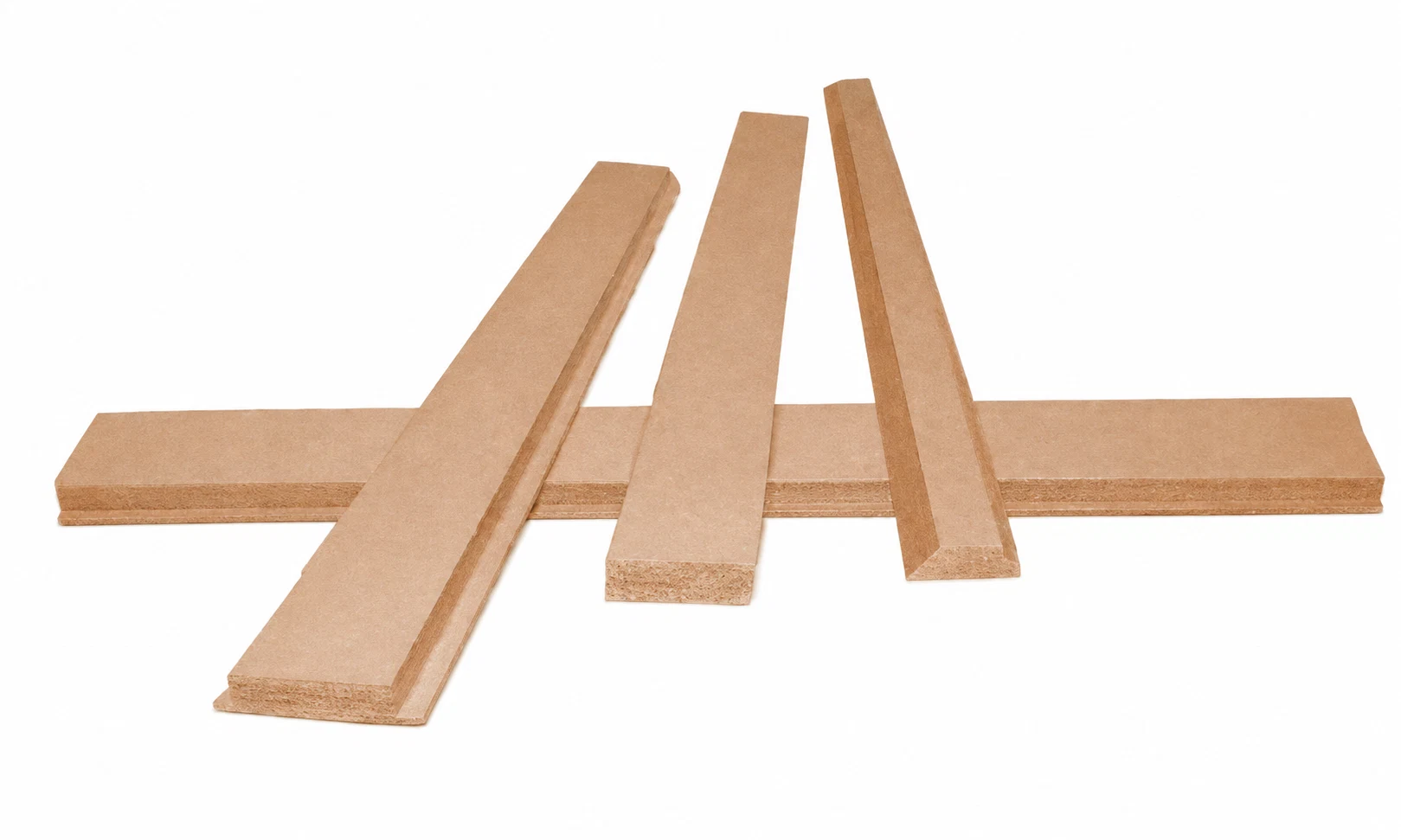
Transformer insulation spacer blocks form controlled radial oil ducts, provide insulation between winding sections and transmit axial clamping forces. Material, geometry and tolerance must be confirmed against the winding drawing and mechanical requirements.
Dimensions, materials, tolerances and testing requirements are confirmed according to customer drawings and order specifications.
Key functions and options
- Good compressive strength
- Low compressibility with suitable elasticity
- Supports radial oil-duct formation
- Machined to drawing
Typical applications
- Transformer winding oil ducts
- Inter-section insulation
- Axial clamping-force transfer
Quotation preparation
Information to include with your RFQ
- Material
- Drawing and tolerances
- Dimensions
- Quantity
For custom parts, a dimensioned drawing is the most reliable starting point. Drawings can be emailed to sales@boreviax.com.
Product guidance
Spacer blocks for transformer winding support and cooling-oil paths
Spacer blocks are functional winding components rather than generic cut pieces. Their dimensions, surface condition, material and arrangement influence oil-duct geometry, winding support and the transfer of mechanical forces.
Common design variables
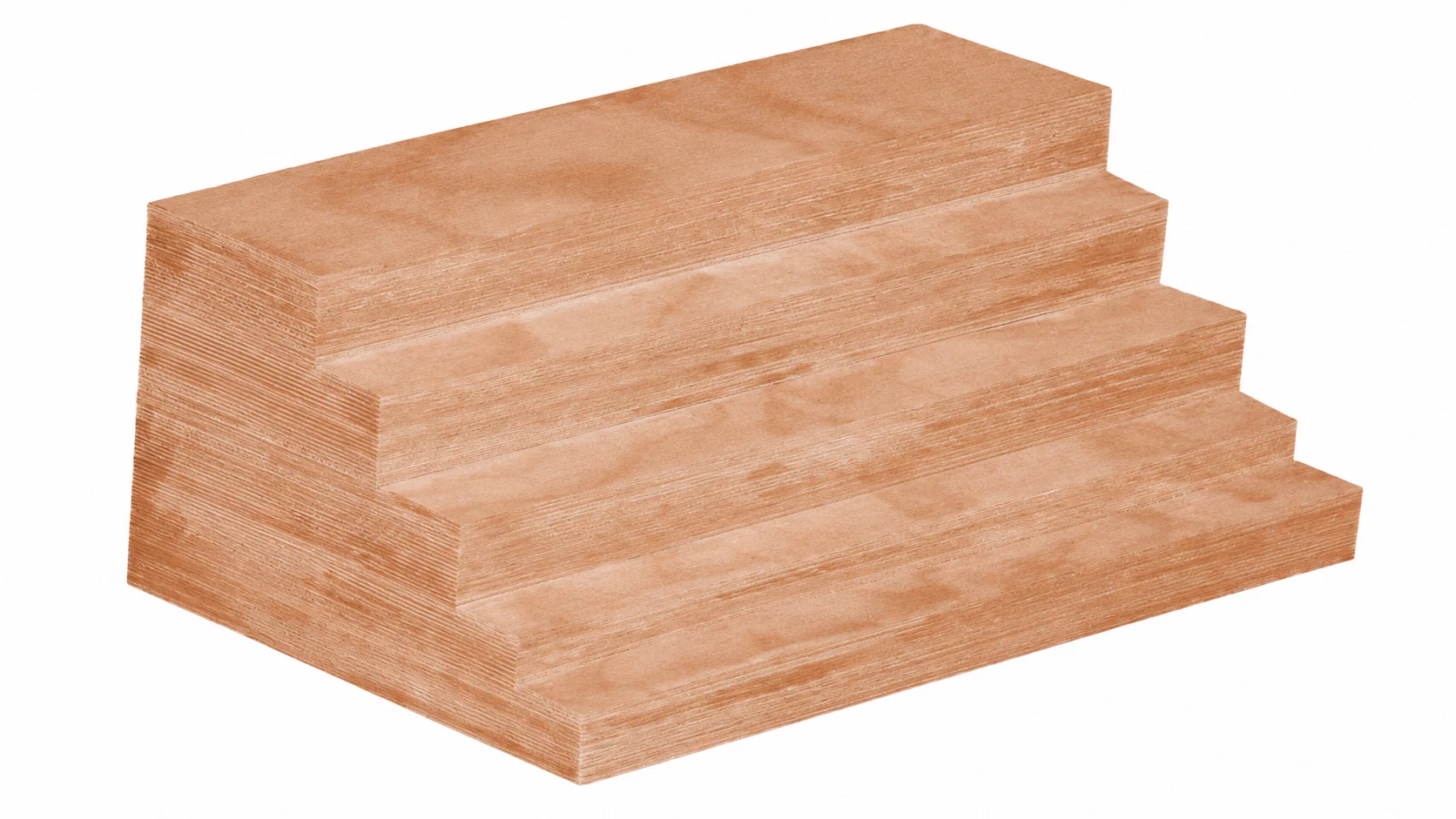
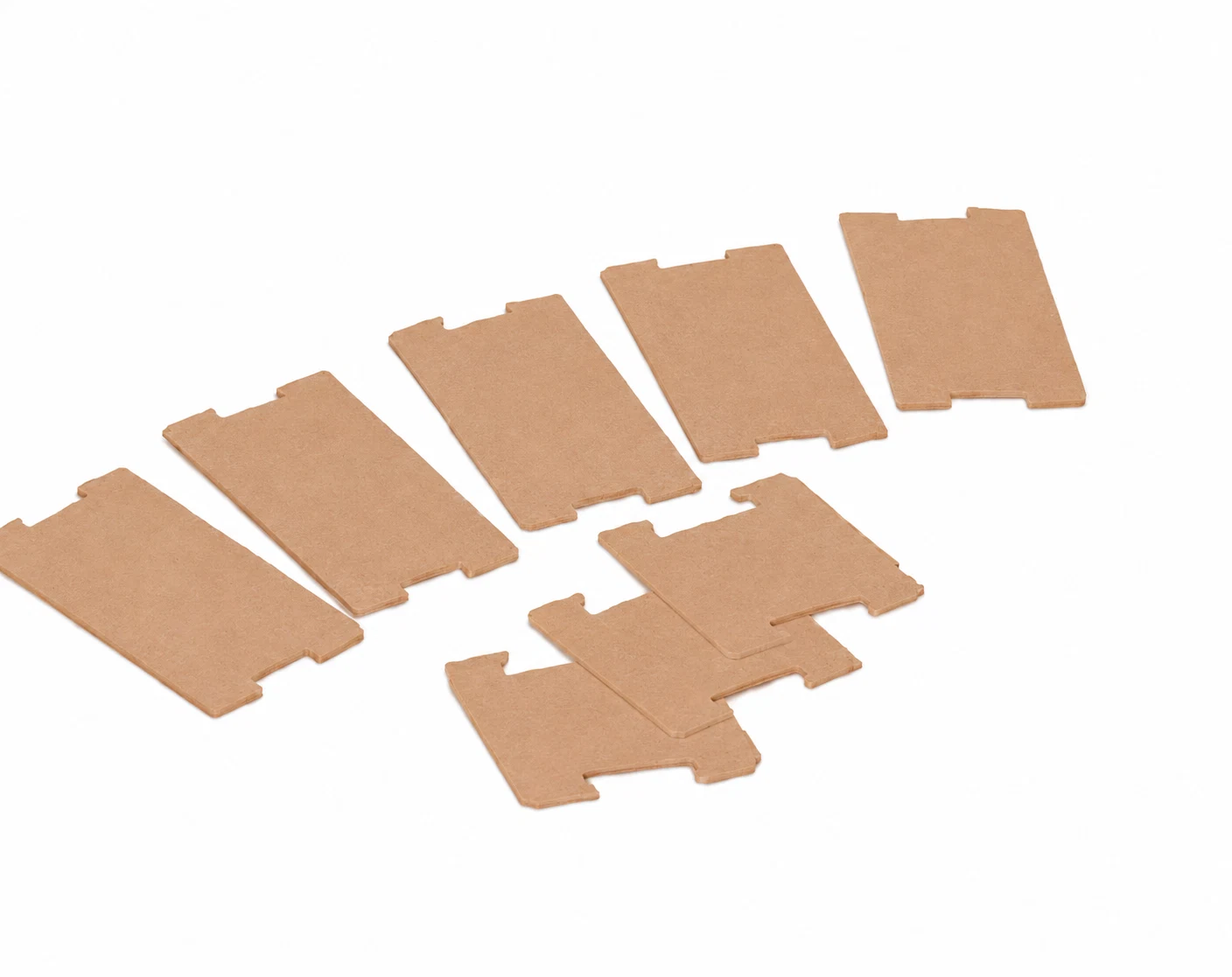
- Rectangular, T-shaped, dovetail, stepped or wedge geometry
- Material grade and moisture-control requirement
- Length, width, thickness and critical tolerances
- Grooves, holes, chamfers and orientation
- Individual pieces or chain-type assemblies
RFQ and quality confirmation
- Latest dimensioned drawing and revision
- Application position within the winding
- Quantity and annual demand
- Inspection method and records required
- Packing method and destination
Transformer spacer block FAQs
Can spacer blocks be supplied in custom shapes?
Yes. Custom geometries are reviewed from the drawing, including material, machining details, tolerances and assembly requirements.
What is the best starting point for quotation?
A controlled drawing with revision number is the most reliable basis. Include the material requirement, critical dimensions, quantity and inspection criteria.
Related products